How to Trace a Tripping Circuit Breaker Without Guessing
When a circuit breaker trips, it can feel like a guessing game. You walk to the panel, flip the breaker back on, and hope it holds. Sometimes it does. Other times it snaps off again within minutes. That pattern is frustrating, and it can also be a sign of something that needs attention.
A tripping breaker is the electrical system's way of protecting itself. It detects a condition that could lead to overheating or fire and shuts off power to that circuit. The challenge is that several different conditions can cause the same result. Knowing which one you are dealing with helps you decide what to do next.
What a circuit breaker actually does
A breaker is a safety device. It monitors the current flowing through a circuit. If the current exceeds the breaker's rating for long enough, the breaker opens and stops the flow. That rating, printed on the breaker handle, is its ampacity. A 20-amp breaker, for example, is designed to carry up to 20 amps continuously. Above that level, it should trip to protect the wiring and devices on that circuit.
Breakers also trip on short circuits and ground faults, which are sudden high-current events. Those cause an almost instant trip, unlike the slower overload trip.
The three usual suspects
Most tripping falls into one of three categories: overload, short circuit, or ground fault. Each has a different cause and a different fix.
Overload
An overload happens when you ask a circuit to deliver more current than it was designed for. The classic example is plugging a space heater, a microwave, and a vacuum cleaner into the same circuit. The combined draw pushes the current past the breaker's rating, and after a short delay the breaker opens.

Signs of an overload include a breaker that trips after a few minutes of use, especially when you add a new appliance to that circuit. The breaker may feel warm to the touch. If the breaker trips immediately when you turn on a device, the problem is more likely a short or ground fault.
Short circuit
A short circuit occurs when a hot wire touches a neutral wire or another hot wire. That creates a path of very low resistance, and current surges dramatically. The breaker trips almost instantly.
Common causes include a damaged appliance cord, a loose wire inside a receptacle, or a wire that has chafed against a metal box. A short circuit often produces a loud pop or a visible spark at the moment of the fault. If you see or hear that, the device or the wiring at that point needs professional attention.
Ground fault
A ground fault is similar to a short circuit, but the hot wire contacts a grounded surface such as a metal junction box, a conduit, or a bare ground wire. The breaker or, in some areas, a GFCI device senses the leakage and trips.
Ground faults are common in damp locations. A bathroom outlet, a kitchen counter receptacle near a sink, or outdoor lighting can develop a ground fault if moisture gets inside. The breaker may trip at odd times, not always when a device is plugged in.
How to narrow it down
Before calling a professional, you can do a few simple checks. They require no tools and no contact with live parts. Always keep the power off while you inspect.
Start by unplugging everything on the circuit that is tripping. Reset the breaker. If it holds, plug the devices back in one at a time. Turn each one on and wait a minute before adding the next. If the breaker trips when you plug in a specific device, that device is likely faulty. Do not use it until it is checked or replaced.
If the breaker trips even with everything unplugged, the problem is in the wiring of the circuit itself. That could be a loose connection, a chafed wire, or a failing breaker. This is the point where a qualified electrician should take over.
What not to do
Never replace a breaker with a larger one without verifying the wire size and the load. A 30-amp breaker on a circuit wired with 14-gauge wire will not protect that wire. The wire can overheat before the breaker trips. That is a fire risk.
Do not keep resetting a breaker that trips repeatedly. Each trip stresses the breaker and the wiring. If a breaker trips more than once after you have removed all loads, stop using that circuit and have it inspected.
Do not tape a breaker in the on position. That defeats the safety function entirely. If the breaker cannot hold on its own, something is wrong.
When the breaker itself may be the issue
Breakers do wear out. Frequent tripping, age, and heat can degrade the internal mechanism. A breaker that feels loose in the panel, or that trips at a lower load than its rating, may need replacement. Only a licensed electrician should replace a breaker. The work involves working inside the live panel, which is dangerous without proper training and equipment.
Signs of a failing breaker include a handle that does not snap firmly into position, visible corrosion or rust, or a buzzing sound when the circuit is on. If you notice any of those, call an electrician.
Understanding your panel
The electrical panel, also called the distribution board, is where every circuit in the building originates. Each breaker in the panel protects one branch circuit. A typical home panel might have 20 to 40 breaker slots. Commercial panels can be larger and may include subpanels for different areas or equipment.
Knowing which breaker controls which area helps when a trip occurs. If the panel is not labeled, you can map it with a helper and a plug-in lamp or radio. With the power on, plug the device into an outlet on the circuit you want to identify. Flip the breaker off and on while your helper watches the device. Label the panel clearly. This is a safe, tool-free task.
When to call an electrician
If you have unplugged everything and the breaker still trips, or if you suspect a short or ground fault, it is time to bring in a professional. A qualified electrician can test the circuit with a multimeter, measure insulation resistance, and find the exact location of the problem. They can also assess whether the panel itself needs upgrading for modern loads.
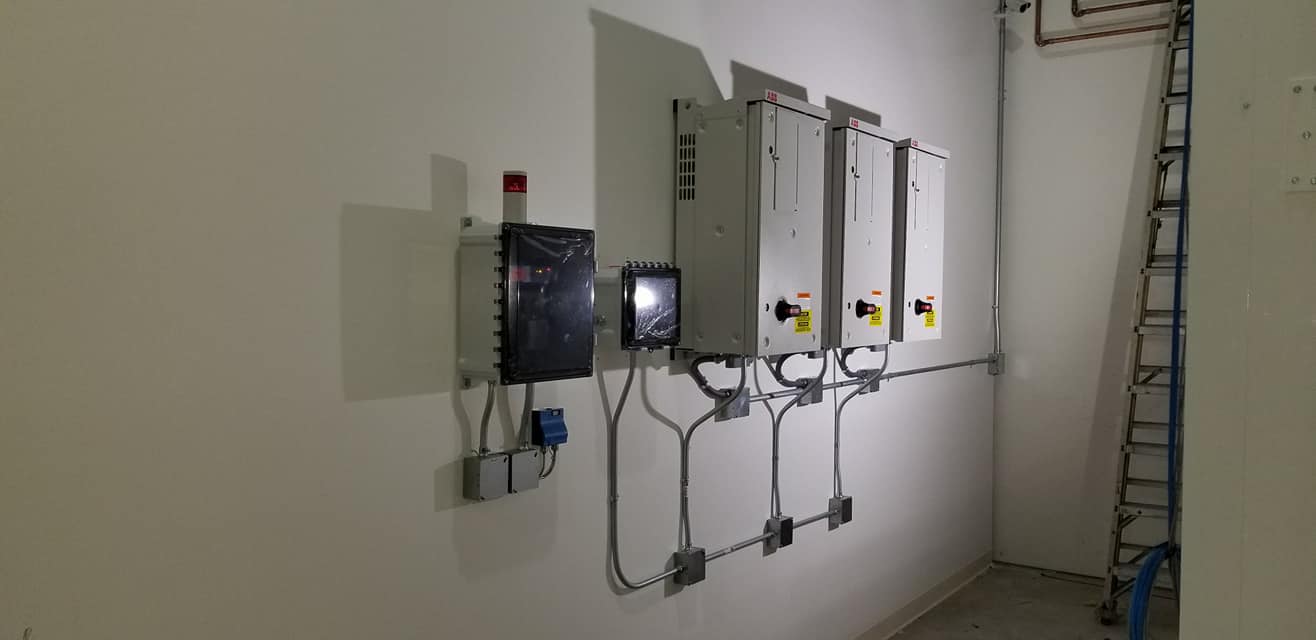
Many older buildings were wired for a time when homes and offices had far fewer devices. Today, a single home office might draw as much power as an entire floor did thirty years ago. That shift puts strain on panels and service entrances. Upgrading power for business growth often means replacing an outdated panel, installing additional circuits, or increasing the service capacity from the utility. A commercial electrician in San Jose can evaluate the current load and recommend changes that meet current code and actual demand.
Tracing a tripping breaker does not have to be a mystery. By understanding what causes the trip, doing simple checks safely, and knowing when to call for help, you can keep the power on and the building safe. If the problem turns out to be an overloaded circuit, the solution may be as simple as moving a few devices to another circuit. But if the issue is in the wiring or the panel itself, professional help is the right next step.
Upgrading power for business growth is not just about adding capacity. It is about ensuring that every circuit is properly protected and that the electrical system can handle the equipment people rely on every day. A well-maintained panel and correctly sized breakers give peace of mind and prevent unexpected downtime.